Verify the requirement
Confirm the actual hearing, personal-appearance instruction and court record. Counsel may be able to explain whether appearance was required and what occurred.
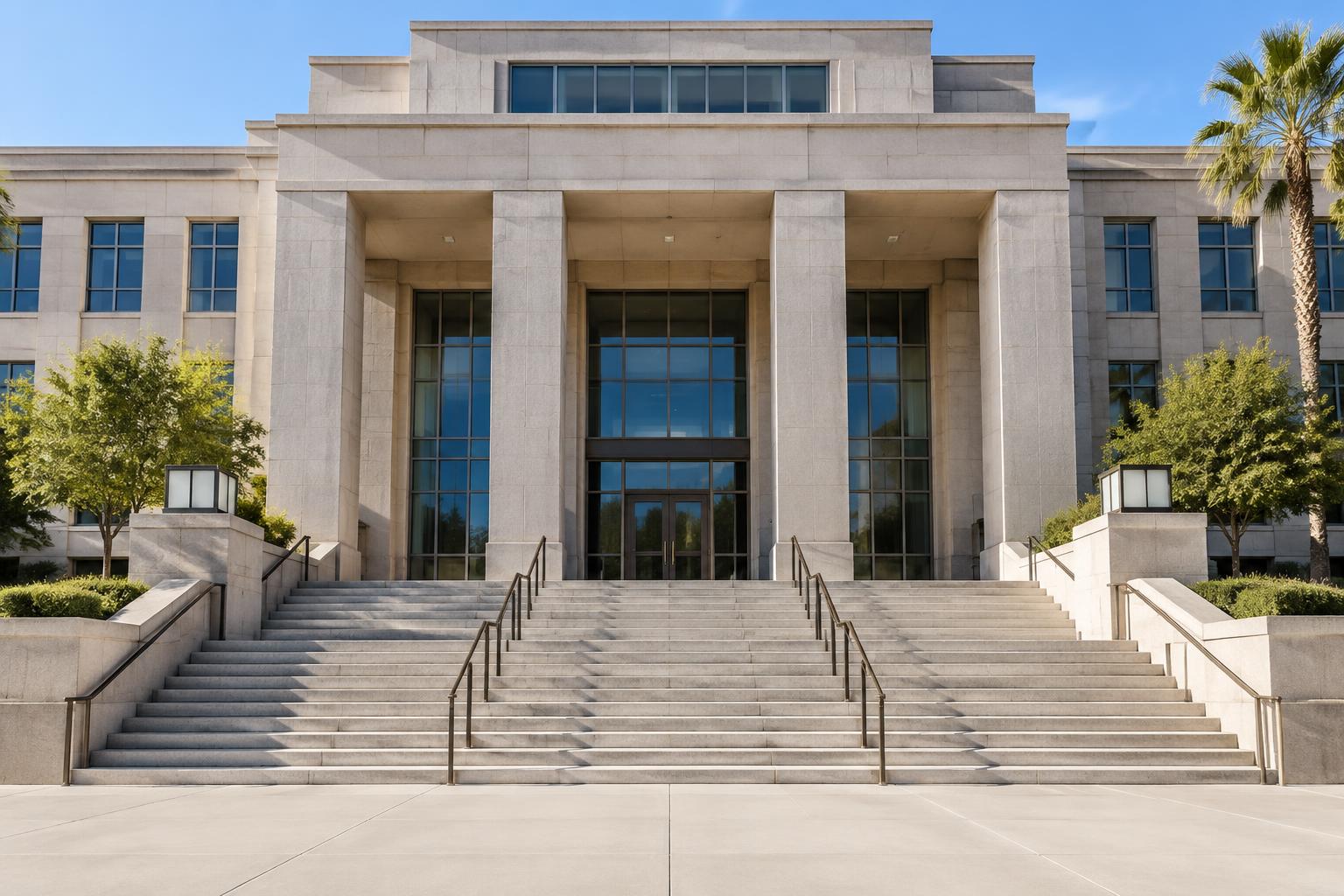
Missed Court? Understand Your Next Steps
A missed required court appearance can raise several separate issues: a warrant, a new allegation, existing-bond forfeiture and changed release conditions. Verify the actual record and consult counsel before assuming a new payment will resolve the matter.
Verify the complete custody record and current court order. No release eligibility, approval or timing is guaranteed.
Private agency. Not a government office.General information, not legal adviceStep 1 / 3
Enter as much as you know.
01 / What Is Failure to Appear?
Clear information. Honest limits.
Failure to appear concerns a required appearance or promise, not every late payment or calendar mistake. A court can address a missed proceeding, but a separate criminal FTA allegation requires its own statutory elements. Warrant status, bond forfeiture and a new charge are distinct inquiries.
Confirm the actual hearing, personal-appearance instruction and court record. Counsel may be able to explain whether appearance was required and what occurred.
A warrant, changed bail or continued-custody direction must be verified through the court, not assumed from a missed reminder.
Court action on the undertaking and obligations under an indemnity or premium agreement are not identical. Ask both counsel and the provider about actual status.
Use official information and counsel’s guidance. This page offers no advice on evasion or bypassing the issuing court.
A probation violation can create a separate custody basis after a missed appearance. Compare felony and misdemeanor release procedures only after confirming the issuing court and current order.
Start with the record: Official inmate search pathways · Jails & detention resources · Courthouse resources. Browse every guide in the bail bond services directory.
02 / What Happens When You Miss Court?
Verify the record before deciding on a bond.
The court record and required attendance govern. An explanation or sufficient excuse is evaluated through the lawful procedure, not an online presumption.
Confirm what the court actually didA court may order arrest under applicable authority. Verify whether a warrant was issued and its current conditions.
No automatic warrant inferenceForfeiture follows statutory requirements and exceptions. It is separate from a new FTA charge and from contractual obligations.
Counsel and the provider review the undertakingPC1320, 1320.5 or applicable Vehicle Code provisions have distinct release-status and willfulness requirements. Not every missed date proves a new offense.
Read the filed charge, if anyThe issuing court may require review or impose new lawful conditions. A bond provider cannot recall a warrant or promise a new release.
Verify authorization before postingA warrant, forfeiture, charge and contract claim are separate issues. Follow counsel and the issuing court’s directions; no automatic cancellation or release is promised.
Get bail help03 / Bench vs. Arrest Warrants
The issuing authority and actual instructions matter.
A bench warrant generally arises from court proceedings such as a required nonappearance. Other arrest warrants can arise through a different legal process. The label alone does not determine bail, appearance or surrender requirements.
Do not rely on unofficial lookup claims or assume a payment recalls a warrant. Counsel can explain the issuing court’s required lawful procedure.
04 / California FTA Laws
Distinct provisions. No automatic outcome.
California law
The exact subdivision, allegation and current order matter.
PC §978.5
PC §1320
PC §1320.5
PC §1305
PC §1306
VC §40508
05 / Can You Get Bail After FTA?
The individual court order controls.
PC §1270.1
For covered offenses, own-recognizance release or bail above or below the schedule requires an open-court hearing with statutory notice.
Counsel should confirm coverage and request the required procedure. An agent cannot waive the hearing.
PC §1275
The court considers public and victim safety, seriousness of the offense, criminal history and likelihood of appearance.
A judicial officer, not a bond provider, can change lawful conditions.
Constitutional framework
In re Humphrey requires consideration of ability to pay and less restrictive alternatives before financial bail results in detention. Public and victim safety and constitutional restrictions still matter. Neither hardship nor a scheduled figure guarantees release.
06 / FTA Bail Amounts and Court Orders
Exact charge matches—not one amount for the entire topic.
There is no single California FTA bail amount. A warrant can contain its own terms, and the court may require a hearing or set different conditions. The selected 2026 LA misdemeanor §1320 row is BR on printed p.23; it is not a quote for an existing bench warrant.
The no-warrant pre-arraignment reference is not a warrant amount and does not supersede court orders.
| Charge or circumstance | Statute | Context | LA pre-arraignment | Amount | What happens next | Source |
|---|---|---|---|---|---|---|
| Willful failure after own-recognizance release — misdemeanor schedule row | PC §1320 | Misdemeanor filing · LA County | BR | Nonfinancial booking protocol | Check statutory exceptions, other charges and holds. An eligible BR pathway needs no commercial bond; booking and required checks still occur. | Misdemeanor schedule, p. 23 (opens in a new tab) |
A missed court date can change everything.
07 / What Happens to an Existing Bond?
Separate legal issues deserve separate answers.
Under §1305, specified nonappearance can trigger forfeiture subject to statutory requirements, excuses and relief procedures. The actual minute order and notices matter.
Exoneration, setting aside forfeiture, reinstatement or reassumption involve applicable court procedures and, where required, the surety’s participation. Contact counsel and the provider promptly.
Premium balances, collateral and indemnity depend on the written agreement and applicable law. A court action on the bond does not automatically refund a premium or erase every contractual obligation.
Retain court orders, forfeiture notices and correspondence. Deadlines can be important; this page does not supply a universal time limit.
A later appearance can be relevant under the statute but does not automatically recall every warrant or resolve all conditions.
Where reassumption or reinstatement requires surety participation, an accused person cannot unilaterally resume the undertaking.
A fresh bond may be required in some authorized cases, but is not always necessary or permitted.
Ask what security remains pledged and what lawful return conditions apply after obligations are resolved.
An agent cannot promise court relief, cancel a warrant or decide forfeiture exceptions.
Court-controlled bond status and signed agreement obligations need separate confirmation. No automatic reinstatement, refund or exoneration is represented.
09 / How Authorized FTA Bonds Work
Five practical stages. Authority before payment.
Use an undertaking only when the issuing court lawfully permits new or resumed financial security.
Confirm the court record, attendance requirement and any actual warrant or hold.
Review appearance, surrender or hearing instructions and applicable time-sensitive bond notices.
Check current bail, posting authority, forfeiture orders and whether surety participation is required.
Understand a new premium or existing agreement obligations, collateral and indemnity before payment or reassumption.
Confirm actual court action and current custody status. Attend all required future proceedings; another matter may remain.
10 / FTA Bond Costs and Existing Duties
Premium, collateral and full-bond liability are separate.
The warrant or court order may set new security; a new or resumed undertaking may have separate contract consequences. Do not assume that paying a second premium is always required or sufficient.
California premiums are most commonly around 10% in general practice. The surety’s filed rate and applicable rules determine the actual charge; no Set Free rate is verified or quoted here.
Security may be required separately from the premium. Read what property is pledged, return conditions and the co-signer’s potential full-bond liability before signing.
If approved, installments spread the premium over time. Ask about the initial payment, balance, due dates and permitted costs; no discount or approval is promised.
The premium is generally not refunded simply because charges are dismissed or the defendant is acquitted. Contract terms and lawful exceptions matter. Cash bail and collateral have different return rules.
Where a lawful nonfinancial pathway is authorized, a commercial bond and its premium are unnecessary. MR is review, not a fee quotation.
11 / Missed Court? What to Check First
Start with what you know.
Use official records, the case number and counsel to identify the required proceeding and what the court actually ordered.
Determine whether it exists and whether another case or supervision matter also applies; do not assume status from an overdue notice.
Check the actual financial amount, posting authority and any appearance requirement. Keep existing bond and forfeiture notices available.
Ask about lawful appearance, surrender, hearing and time-sensitive relief procedures. No warrant-avoidance or bypass advice is offered.
Discuss an undertaking only where financial release is allowed. Confirm existing agreement duties and any required surety consent separately.
Retain new orders and verify future appearance requirements. Court action should be checked in the actual record, not assumed from an informal assurance.
You do not need every record before asking for help. Keep sensitive documents private; this checklist does not collect or save answers.
Get bail helpNeed Help Understanding Your Bail Options?
Start with the court and booking information. We can explain the bond process when financial bail is authorized.12 / Failure to Appear FAQs
Straight answers, honest limits.
Content updated November 3, 2026. General information, not legal advice.
No. A separate FTA allegation has statutory elements involving the release circumstances and willful conduct, with other requirements as applicable. A missed proceeding, warrant and forfeiture are different issues. Counsel should review the actual requirement and court record.
Both can authorize arrest, but a bench warrant generally arises from a court proceeding while other warrants arise through different legal processes. The issuing court, underlying case and current instructions determine custody and release—not the label alone.
No. A bond provider cannot cancel a judicial order or guarantee recall without court action. Counsel can explain the issuing court’s required appearance or hearing procedure. Verify the current official record after any action.
It provides bench-warrant authority in specified court-related circumstances. It is not a universal FTA price list or proof of a separate criminal conviction. The actual court order and attendance requirement must be checked.
Section 1320 concerns specified failure after own-recognizance release, with underlying-case distinctions. Section 1320.5 addresses the specified felony bail-release circumstances. Do not apply either provision solely because a calendar date was missed.
No. A warrant may contain its own terms, and later judicial orders can require review or financial conditions. The selected LA misdemeanor §1320 row is BR on p.23; it is not a quote for every existing warrant or missed felony hearing.
A lawful nonfinancial pathway may apply in an eligible case, but warrant terms, underlying charges and other restrictions can change the result. The BR reference does not override a court order. Confirm the actual current release decision.
The court may declare forfeiture under the statutory requirements and exceptions. Court notices, possible relief and written indemnity obligations require separate review. Contact counsel and the provider promptly rather than assuming the bond simply continues unchanged.
No blanket result is promised. Later appearance may matter under applicable relief procedures, but actual court action and any required surety participation must be verified. A warrant, forfeiture and contractual obligation may need separate resolution.
No. Exoneration concerns court liability on the undertaking; premium refunds and collateral follow different rules and written terms. A court ending bond liability does not automatically return every fee or erase an unpaid contractual balance.
Not necessarily. The court and applicable procedures determine whether a new or resumed undertaking is authorized or whether nonfinancial release applies. Existing bond status and surety participation matter. Do not assume a new payment is always necessary or sufficient.
Actual charges follow filed rates, applicable rules and the written undertaking. At an assumed 10%, a $25,000 court-set bond illustrates $2,500. That is hypothetical arithmetic, not a universal FTA amount, verified Set Free rate or warrant-clearance promise.
Yes. Another warrant, charge, supervision matter or lawful hold may remain independently. Confirm all custody bases and the actual court action. One accepted undertaking cannot guarantee release or a particular processing time.
No. Inability to pay, a required appearance, a promise and an actual court order are distinct questions. Use California Courts traffic guidance and counsel for the exact VC40508 and court circumstances; do not assume automatic warrant status.
Confirm the correct court and case, any actual warrant or hold, current release terms and existing bond notices. Consult counsel about lawful procedures and contact a licensed provider only when financial security is authorized. Keep every new date and verify official readback.
Published custody & court directories
Find the person. Find the court.
Verify identity and the responsible custody agency; a missing online result does not rule out an arrest.
Confirm current housing and available agency information without assigning a facility from the arrest city.
Use the case record to confirm the assigned courthouse, department and next hearing.
Browse county and local resources, then confirm the responsible agency and court using the booking or case record.
Sources
Primary documents and official resource pathways.
Government sources are linked for reference only and do not endorse Set Free Bail Bonds.
Los Angeles County / 2026
CR, BR and MR entries are protocols, not invented monetary amounts.
California statutes
Specified bench-warrant authority.
California statutes
Recognizance-release willful failure and underlying-case distinctions.
California statutes
Specified felony bail-release failure provisions.
California statutes
Forfeiture, relief and applicable procedures; seek counsel promptly.
Los Angeles County / 2026
County-specific pre-arraignment entries and release computation rules.
California statutes
Bond judgment process.
California statutes
Traffic-related willful failure distinctions.
Traffic court help
Citation requirements and payment/ability-to-pay pathways, separate from criminal surety obligations.
Judicial review
Ability to pay, less restrictive alternatives and constitutional safeguards.
Consumer protection
Applicable filed rates, bond premiums and consumer protections.
Custody
Verify identity and current facility through the responsible official agency.
Court records
Assigned case, hearing and current orders must be confirmed.
Freedom starts here.
Confirm the current court order and custody status before deciding whether a new bail bond may be needed.